The Sydney Morning Herald, Tue 25 Oct 1927 1
QUARTER SESSIONS.
(Before Acting Judge Monahan.)
Crown Prosecutor, Mr Neil McTague.)
…
ACQUITTED.
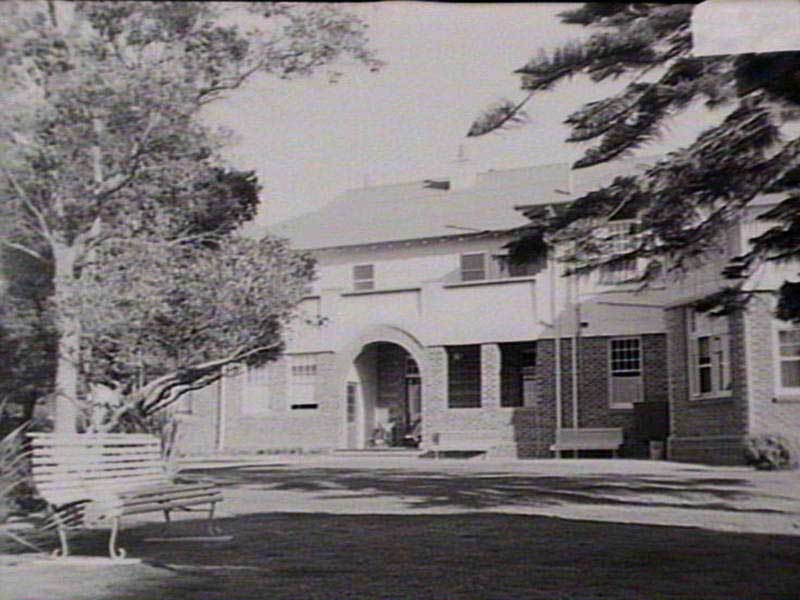
collection. Reproduction: Peter de Waal
Thomas Grant was charged with indecently assaulting George Bushby Scantlebury [aka Scanttlebury; Scattiebury] Hewish, a boy 16 years of age at Waterfall, on some day in July.
Accused was acquitted and remanded to his former custody.
~ ~ ~ ~ ~
The Sydney Morning Herald, Sat 29 Oct 1927 2
QUARTER SESSIONS.
(Before Acting Judge Monahan.)
Crown Prosecutor, Mr Neil McTague.)
…
ACQUITTED.
Thomas Grant, 63, labourer, was charged with indecently assaulting a little boy [Gordon Hart] nine years of age, on some day in June at Waterfall, where the accused was an inmate of the Waterfall institution. 3
Accused was acquitted, and remanded to his former custody.
1 The Sydney Morning Herald, Tue 25 Oct 1927, p. 8.
2 The Sydney Morning Herald, Sat 29 Oct 1927, p. 14.
3 Waterfall Sanatorium (aka Hospital for Consumptives) was designed for the treatment of patients in the advanced and chronic stages of tuberculosis. The site, at 1,000 feet above sea level and 26 miles south of Sydney, was chosen as it was believed that tuberculosis patients needed a high and rarefied atmosphere in the country away from the grime and pollution of cities. The first patients were admitted on 14 April 1909.
Provision was made for 180 male patients, but as no facilities were available for staff housing or administration, two of the hospital wards were used for these purposes initially. In May 1912 a new wing for 120 female patients was completed, with tuberculosis patients from Newington State Hospital transferred upon it’s opening. Additional chalet style accommodation was built, but demand for treatment for “the white plague” meant that the Sanatorium was often overcrowded, with emergency beds placed on verandahs. Treatment consisted of rest, relaxation, improved nutrition, and medicines to treat symptoms as they appeared, with the hope of increasing resistance.
The advent of antibiotic treatment, together with thoracic surgery, and a national campaign to prevent tuberculosis, greatly improved the prognosis for the disease. Isolation was no longer considered a necessity, and tuberculosis patients were accepted into public hospitals for treatment. By 1958 patient numbers at Waterfall Sanatorium had decreased to less than 100 and the Hospital was converted to a centre for the care of patients with chronic diseases or diseases of the aged. To sever associations with it’s past function the hospital was re-named Garrawarra Hospital. Source: SRNSW website.